Vital Way Of Life Considerations Before Moving to Assisted Living
Business Name: BeeHive Homes of Farmington
Address: 400 N Locke Ave, Farmington, NM 87401
Phone: (505) 591-7900
BeeHive Homes of Farmington
Beehive Homes of Farmington assisted living care is ideal for those who value their independence but require help with some of the activities of daily living. Residents enjoy 24-hour support, private bedrooms with baths, medication monitoring, home-cooked meals, housekeeping and laundry services, social activities and outings, and daily physical and mental exercise opportunities. Beehive Homes memory care services accommodates the growing number of seniors affected by memory loss and dementia. Beehive Homes offers respite (short-term) care for your loved one should the need arise. Whether help is needed after a surgery or illness, for vacation coverage, or just a break from the routine, respite care provides you peace of mind for any length of stay.
400 N Locke Ave, Farmington, NM 87401
Business Hours
Moving to assisted living is hardly ever a choice made on impulse. It usually shows up after a series of smaller moments, a missed out on medicine, a fall, a range left on, a partner that is increasingly worn down, or an adult kid realizing that "simply signing in" is no longer enough. By the time households begin searching for assisted living near me or contrasting senior living areas, they are normally juggling more than logistics. They are taking care of regret, fear, funds, despair, and the very sensible question of what life will actually appear like when the move happens.
That is why the conversation must not begin and finish with floor plans and month-to-month charges. Way of living factors to consider matter equally as much as care needs. A good assisted living neighborhood can offer safety, support, and social connection, however the shift still changes practically every part of a person's regimen. Dishes, privacy, sleep, relationships, pastimes, transport, and even the sense of identity can shift quickly. The very best results have a tendency to take place when families believe past the care strategy and look truthfully at the lived experience of the move.
The emotional fact of leaving a long-time home
For several older adults, the home they are leaving is more than a building. It is a container for memory. It might hold the marks of a marriage, the books collected over decades, the yard planted by hand, or the kitchen where family holidays constantly seemed to start. Leaving it can really feel much less like downsizing and even more like closing a chapter that still has unfinished business.
That emotional weight is simple to undervalue. Family members often focus on what will certainly be less complicated after the action, like no more lawn job or say goodbye to staircases, while ignoring the pain that can include shedding acquainted environments. I have actually seen locals that adjusted swiftly when they really felt secure and settled, and I have actually additionally seen people that took months to completely unbox since they were grieving the concept of home as high as your house itself.
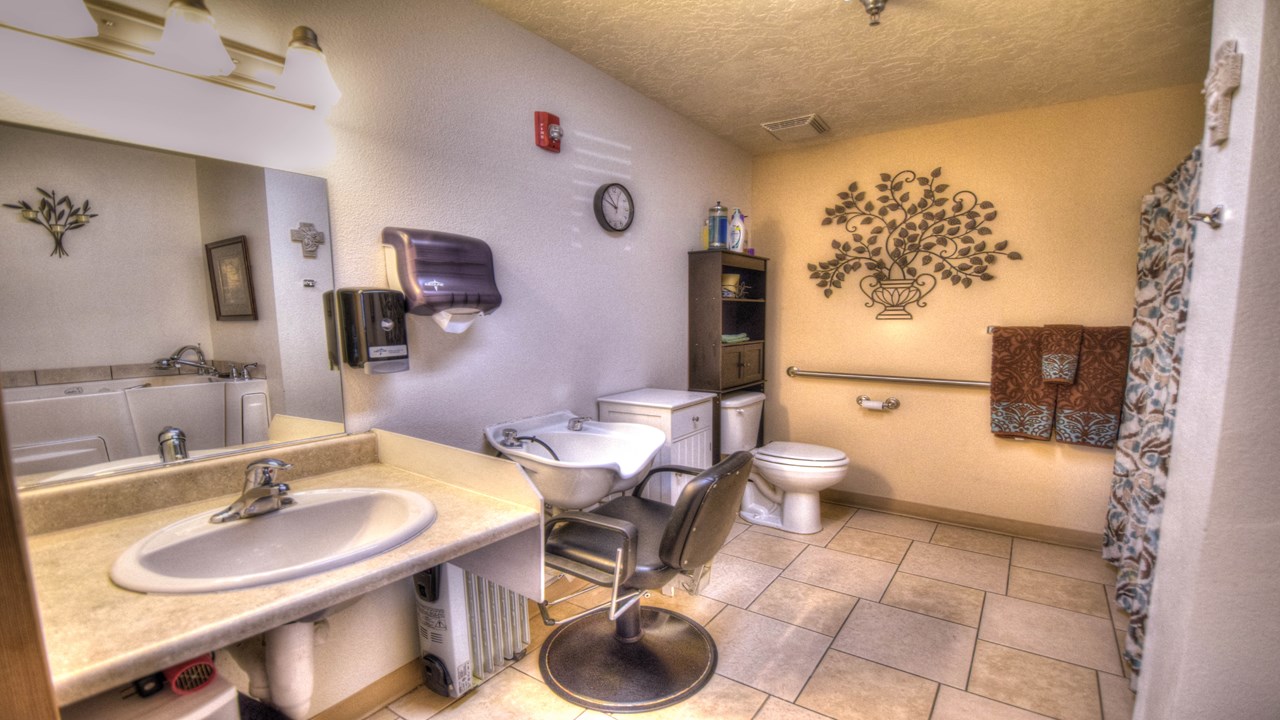
This is where pacing matters. If possible, the action should be treated as a change, not a solitary event. Sorting personal belongings a little at once, visiting the area before move-in day, and bringing items of the old home into the new one can reduce the shock. A preferred chair, framed pictures, a familiar light, or a well-used patchwork can do greater than embellish an area. They anchor the brand-new area in memory and make it really feel less temporary.
Daily routine adjustments more than people expect
People usually picture assisted living as merely "assist with a couple of things." That is true, yet just part of the story. The structure of the day adjustments in ways that can be either comforting or disruptive, depending on the person.
At home, a person may have eaten breakfast at 10 a.m. For years, rested after lunch, and viewed the evening information in a particular chair. In assisted living, meals happen on a routine, activities are supplied at set times, and staff regimens shape the rhythm of the day. For some residents, that framework is an alleviation. They no longer have to intend every meal or wonder when assistance is available. For others, it can really feel restrictive at first.
The vital question is not whether structure exists, due to the fact that it always carries out in some kind. The actual question is whether the community's rate fits the individual's individuality and behaviors. A very social resident may delight in a schedule full of activities and shared dishes. A person who has actually always chosen silent mornings and lengthy stretches of reading may require an area that values privacy and provides adaptable engagement.
A handy method to think of this is to compare assistance and guidance. Excellent assisted living protects as much option as feasible while still giving aid where it is needed. If a community's routine seems also stiff, that is worth observing early. Lifestyle fit has a tendency to matter more with time than a sleek pamphlet or a perfectly presented apartment.
Social life can improve, however only if the fit is right
One of the biggest advantages of assisted living is the chance to reconstruct social connection. Numerous older grownups live with a diminishing circle. Friends move away, driving comes to be harder, and social chances slim. Loneliness can sneak in quietly and impact hunger, energy, sleep, and state of mind. A well-run senior living neighborhood can disrupt that isolation in a healthy and balanced way.
Still, socialization is manual. A person who has actually spent years in a quiet family might not unexpectedly come to be outbound since there is a bingo night on the schedule. Some locals prosper in group settings, while others prefer one-on-one discussion or small, familiar events. Communities differ widely in culture. Some are lively and busy. Others are calmer and extra residential in feeling. That distinction matters.
Families considering assisted living needs to focus on the tone of the usual spaces. Do residents appear involved or just provide? Are people chatting with each other, or sitting alone in silence? Are there varied activities, or only one kind of programming repeated weekly? A resident that likes music, faith-based gatherings, or gardening might flourish in an area that offers those passions. A person who prefers current occasions, peaceful reading teams, or strolling clubs may require a different environment.
Sometimes the first social link is not with a scheduled activity at all. It is with the neighbor across the hall, the dining room web server that keeps in mind a favored tea, or the resident who likewise matured in the very same community. Those small human minutes are typically what make assisted living feel like home.
Meals are not a small detail
Food influences even more than nutrition. It forms regular, convenience, memory, and social interaction. For someone transitioning from home to assisted living, the dining experience can either seem like a welcome relief or a stable resource of frustration.
Some people are pleased to let go of grocery purchasing and food preparation. They take pleasure in having meals prepared, dishes cleared, and options offered without effort. Others are very affixed to their own cooking area behaviors. They may miss out on food preparation an easy breakfast, flavoring food to preference, or snacking on a preferred routine. If a resident has strong food choices, the eating program can turn into one of one of the most crucial way of living factors in the whole move.
It is smart to ask straight inquiries about flexibility. Can meals accommodate dietary constraints, allergic reactions, or social preferences? How is texture-modified food taken care of? Are residents able to request alternatives? What occurs if someone misses out on a meal because they go to an appointment? These information issue since they influence self-respect as much as convenience.
The dining room environment matters also. A rushed, noisy space can discourage a person from consuming well. A pleasurable, unrushed dish with excellent lighting and mindful solution can make the day feel anchored. For several older grownups, dishes become one of the main social touchpoints in assisted living, which is why the eating society is worthy of close attention, not a quick glance.
Privacy, freedom, and the difficult border between help and intrusion
One of one of the most delicate memory care farmington nm beehivehomes.com lifestyle modifications in assisted living is finding out just how assistance will work in an extra noticeable setting. At home, an individual can shut the front door and relocate via the day with couple of disruptions. In assisted living, team might go into for drugs, housekeeping, wellness checks, or personal care. That can feel encouraging, but it can additionally really feel invasive if the timing and communication are not taken care of well.
This is where independence must be defined carefully. Freedom does not mean doing every little thing alone. It means having enough control to make choices, keep personal privacy, and maintain a sense of company. A resident may need assistance showering, dressing, or bearing in mind medications, yet still want to choose what time to get up, whether to participate in an activity, or how to organize the furniture in their apartment.
Families often underestimate exactly how crucial small options become when larger selections are limited. Being able to select between tea and coffee, maintain the door somewhat open, or choose when to rest can protect dignity in manner ins which are simple to miss out on from the outside.
Before moving, it helps to chat clearly regarding boundaries. What type of help are provided on demand? Exactly how does the area take care of knock-and-enter practices? Are citizens encouraged to participate in their own care routines when feasible? Those conversations can prevent misunderstandings later, especially for individuals who have constantly valued self-sufficiency.
The speed of the action itself can form adjustment
A hurried action frequently develops preventable stress. When the transition is compressed because of a hospitalization, an unexpected decrease, or a caretaker emergency, older adults might arrive in assisted living currently dizzy and fatigued. Also a good neighborhood can really feel overwhelming if the individual has had no opportunity to refine the change.
When time permits, preparation should be functional and individual. A pre-move visit works, but so is taking notice of the much less apparent components of life. What is the illumination like in the house in late afternoon? Can the resident reach the shower room quickly in the evening? Is there space for a favored recliner, walker, or hobby tools? A person who bakes might miss the ritual of gauging ingredients, also if they no more require a complete kitchen area. A previous woodworker might want area for devices or easy projects.
The relocation likewise impacts household regimens. Grown-up kids usually end up being the organizers, moving companies, and emotional shock absorbers. Their own anxiety can spill into the process if everyone is attempting to manage too much simultaneously. Sometimes, short-term respite care can develop breathing space. It offers family members time to test a regular, gather possessions thoughtfully, or manage a post-hospital healing before dedicating to a long-term move.
That test duration can be very beneficial. It discloses whether the neighborhood's rhythm operates in technique, not just theoretically. It likewise provides the older adult a chance to evaluate the social atmosphere, the dining, the care action, and the psychological fit before clearing up in fully.
Health requirements are only component of the equation
Assisted living is made for people that require support with everyday tasks, not extensive medical care. That distinction issues when families are contrasting alternatives. Some individuals move in due to the fact that they need aid with bathing, clothing, dishes, or drug suggestions. Others get here after a hospitalization and are still recuperating stamina and confidence. The level of support may change over time, yet the neighborhood still requires to match the resident's real wellness profile.
This is where a cautious review of care demands becomes necessary. If an individual has regular falls, substantial memory disability, oxygen requirements, or complex medical regimens, the household ought to ask whether assisted living is truly the best setting or whether a greater level of support is needed. Not every area can safely take care of every situation.
It is additionally worth asking just how the community responds when a resident's demands change. Some people go into assisted living and slowly require more assistance. Others stay rather steady for several years. The very best planning accounts for both opportunities. Households must know what reviews appear like, just how rapidly care plans can be upgraded, and when a move to another degree of care may end up being necessary.
Good senior care is not almost conference today's requirements. It is about anticipating tomorrow's most likely adjustments without making the resident feel like a case documents. That balance takes judgment, and it is one reason a thoughtful in-person conversation issues more than marketing language.
Before selecting a community, ask the inquiries that affect day-to-day life
A brightened tour can conceal a lot. The entrance hall may be eye-catching, the dining room spick-and-span, and the personnel inviting. Those things issue, but they do not tell the entire tale. Lifestyle fit shows up in average minutes, not simply in sales presentations.
When families are comparing assisted living neighborhoods, it aids to focus on questions that reveal how life truly works.
- What does a typical day appear like for residents that prefer a silent routine?
- How versatile are meals, showering times, and activity participation?
- What assistances are available for locals that are socially reserved or hard of hearing?
- How are family members visits took care of, and exist positions for private time together?
- How does the neighborhood assistance transitions from temporary rehab, a hospital stay, or respite care?
These questions serve due to the fact that they move the conversation far from abstract pledges and towards lived experience. The answers commonly expose whether a neighborhood will certainly really feel considerate and livable over time.
Money alters the way of life discussion too
Finances are not a separate problem from lifestyle, they form it. Assisted living has a regular monthly cost that might include real estate, dishes, individual care, house cleaning, transportation, and activities. Yet not every community bundles those solutions the same way. A family that just compares the base rate may marvel later on by included charges for drug monitoring, extra care hours, laundry, or specialized support.
That is why it is necessary to look beyond the headline rate. The ideal inquiry is not simply, "Can we afford this month?" It is, "What degree of solution is consisted of, and what might the following 6 to twelve months call for?" A resident that needs even more assistance with time may experience a significant increase in monthly cost.
Families commonly start by looking for senior care near me and afterwards find that the local market varies commonly. Some areas seem economical in the beginning glance, but hidden fees tighten the space. Others appear a lot more costly but include more assistance in the base rate. Budgeting with realistic assumptions, as opposed to best-case assumptions, can protect against uncomfortable shocks later.
It likewise aids to consider the cost of stagnating. When a caretaker is burning out, when home modifications become expensive, or when a loss results in duplicated emergency situation visits, the financial photo can alter rapidly. Assisted living is not always the most affordable choice, but in the appropriate scenario, it can support both care and family life.
The ideal action is the one that maintains dignity
People sometimes discuss assisted living as though it is just around safety. Safety matters, yet dignity matters equally as much. A good change respects the older adult's preferences, behaviors, and background. It acknowledges that a resident is not simply someone who needs aid, yet someone who still has viewpoints, routines, and a sense of self.
That is why the little points are usually the big points. The capability to hang acquainted art work. The possibility to bring a beloved covering. The choice to go to activities without being pushed into them. The flexibility to have a quiet mid-day when energy is low. These details do disappoint up in a medical graph, however they shape whether a person seems like a resident or a guest.
Families that take some time to analyze way of living concerns typically make far better decisions. They observe whether the community respects personal privacy, whether dishes really feel welcoming, whether the social atmosphere suits the resident's character, and whether the care version can adjust gradually. Those monitorings are much more dependable than any kind of glossy brochure.
Assisted living can be an actual enhancement in lifestyle when the step is managed with sincerity and care. For numerous older grownups, it brings relief, companionship, and a safer day-to-day rhythm. For households, it can replace continuous crisis management with something steadier and extra lasting. The transition functions best when it is prepared around the person's real life, not simply the degree of assistance they need.
BeeHive Homes of Farmington provides assisted living care
BeeHive Homes of Farmington provides memory care services
BeeHive Homes of Farmington provides respite care services
BeeHive Homes of Farmington supports assistance with bathing and grooming
BeeHive Homes of Farmington offers private bedrooms with private bathrooms
BeeHive Homes of Farmington provides medication monitoring and documentation
BeeHive Homes of Farmington serves dietitian-approved meals
BeeHive Homes of Farmington provides housekeeping services
BeeHive Homes of Farmington provides laundry services
BeeHive Homes of Farmington offers community dining and social engagement activities
BeeHive Homes of Farmington features life enrichment activities
BeeHive Homes of Farmington supports personal care assistance during meals and daily routines
BeeHive Homes of Farmington promotes frequent physical and mental exercise opportunities
BeeHive Homes of Farmington provides a home-like residential environment
BeeHive Homes of Farmington creates customized care plans as residents’ needs change
BeeHive Homes of Farmington assesses individual resident care needs
BeeHive Homes of Farmington accepts private pay and long-term care insurance
BeeHive Homes of Farmington assists qualified veterans with Aid and Attendance benefits
BeeHive Homes of Farmington encourages meaningful resident-to-staff relationships
BeeHive Homes of Farmington delivers compassionate, attentive senior care focused on dignity and comfort
BeeHive Homes of Farmington has a phone number of (505) 591-7900
BeeHive Homes of Farmington has an address of 400 N Locke Ave, Farmington, NM 87401
BeeHive Homes of Farmington has a website https://beehivehomes.com/locations/farmington/
BeeHive Homes of Farmington has Google Maps listing https://maps.app.goo.gl/pYJKDtNznRqDSEHc7
BeeHive Homes of Farmington has Facebook page https://www.facebook.com/BeeHiveHomesFarmington
BeeHive Homes of Farmington has an YouTube page https://www.youtube.com/@WelcomeHomeBeeHiveHomes
BeeHive Homes of Farmington won Top Assisted Living Home 2025
BeeHive Homes of Farmington earned Best Customer Service Award 2024
BeeHive Homes of Farmington placed 1st for Senior Living Communities 2025
People Also Ask about BeeHive Homes of Farmington
What is BeeHive Homes of Farmington Living monthly room rate?
The rate depends on the level of care that is needed (see Pricing Guide above). We do a pre-admission evaluation for each resident to determine the level of care needed. The monthly rate is based on this evaluation. There are no hidden costs or fees
Can residents stay in BeeHive Homes until the end of their life?
Usually yes. There are exceptions, such as when there are safety issues with the resident, or they need 24 hour skilled nursing services
Do we have a nurse on staff?
Yes. Our administrator at the Farmington BeeHive is a registered nurse and on-premise 40 hours/week. In addition, we have an on-call nurse for any after-hours needs
What are BeeHive Homes’ visiting hours?
Visiting hours are adjusted to accommodate the families and the resident’s needs… just not too early or too late
Do we have couple’s rooms available?
Yes, each home has rooms designed to accommodate couples. Please ask about the availability of these rooms
Where is BeeHive Homes of Farmington located?
BeeHive Homes of Farmington is conveniently located at 400 N Locke Ave, Farmington, NM 87401. You can easily find directions on Google Maps or call at (505) 591-7900 Monday through Sunday 9:00am to 5:00pm
How can I contact BeeHive Homes of Farmington?
You can contact BeeHive Homes of Farmington by phone at: (505) 591-7900, visit their website at https://beehivehomes.com/locations/farmington/,or connect on social media via Facebook or YouTube
Conveniently located near Beehive Homes of Farmington Allen Theaters a great movie theater with full food & drink menu. Catch a movie and enjoy some great food while you wait.